The Hidden Power of Image Alt-Text: Accessibility, UX, and Digital Health
When building a website or putting together a digital newsletter, image alt-text is often treated as an afterthought, like a quick box to check just to satisfy a technical requirement.
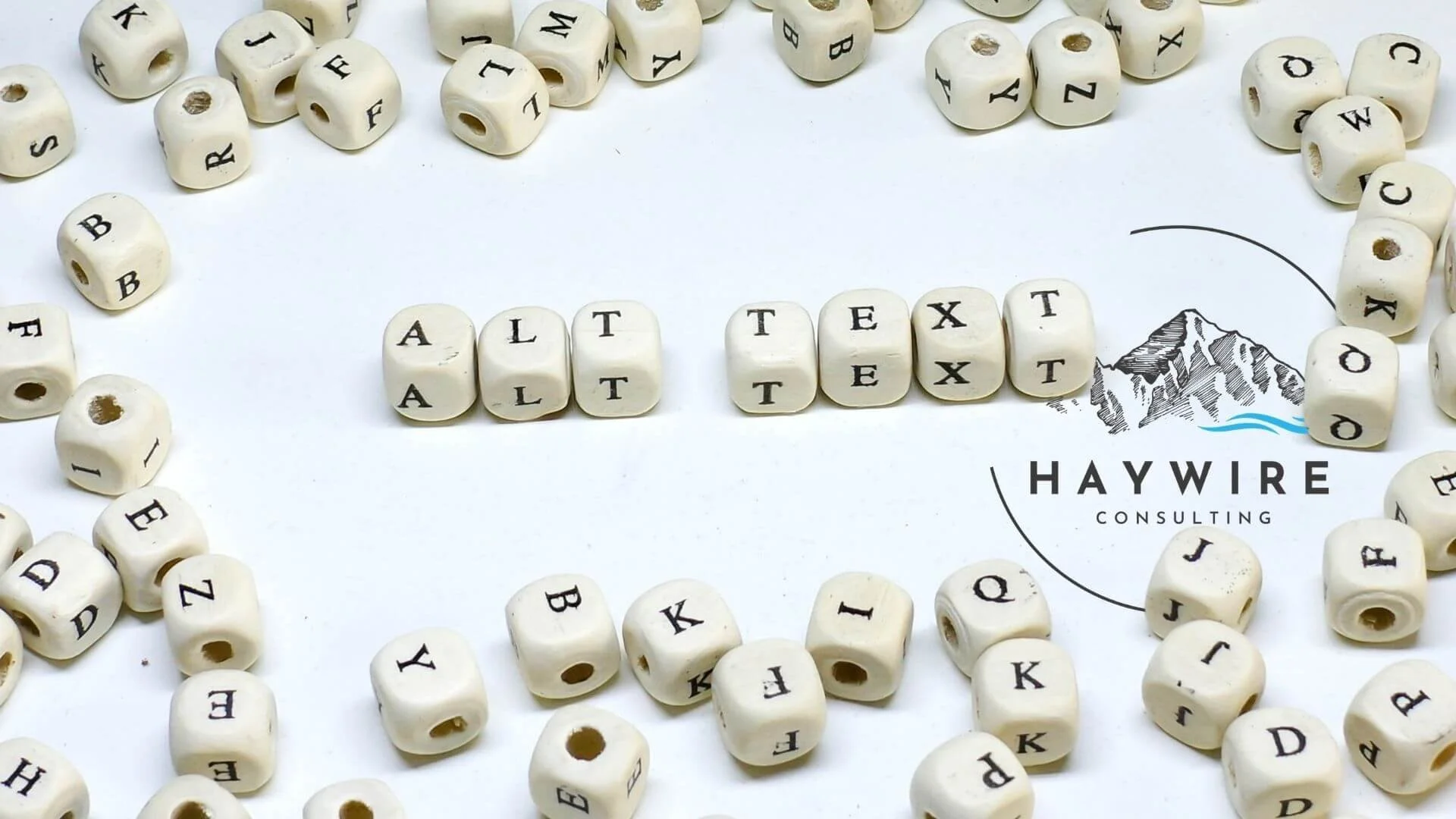
In reality, alt-text is a powerhouse for accessibility, user experience, and overall brand polish. When executed with intentionality, descriptive text can transform static visual assets into accessible touchpoints that communicate clear context to every visitor regardless of ability or technical constraints. Leaving these details out can add unnecessary friction to the user journey and can make the whole digital experience feel clunky and unprofessional. Beyond user experience, it is also a cornerstone of good SEO practice as it gives search engines the extra context they need to boost your search visibility, whether someone finds you through your website, a social post, or a newsletter.
Opening the Door to Everyone
At its core, alt-text exists for accessibility. For visually impaired users relying on screen readers, missing or poorly written alt-text means missing out on the visual story entirely. Instead of hearing about a beautifully upholstered modular couch or a sleek office layout, they hear a generic file name like IMG_4829.jpg. This kind of broken auditory experience alienates potential clients and creates unnecessary barriers to engaging with your brand's digital content.
Writing clear, descriptive text ensures that every single visitor can experience your brand. By investing time into thoughtful metadata, you ensure that your digital environment welcomes all users equitably, expanding your reach while upholding high ethical and professional standards in your online communications.
Protecting User Experience and Polish
Alt-text also acts as your safety net when technology fails. If a subscriber's email client blocks images by default, or if a slow mobile connection prevents graphics from rendering, concise alt-text prevents your layout from collapsing into broken image icons. It maintains the context of your message so the reader never feels lost or confused by sudden blank spaces.
Optimizing for Search: Image SEO Best Practices
While primary optimization focuses on site text, search engine crawlers also look at image contexts to understand what your pages are about. Well-crafted alt-text provides additional semantic context to search engines, helping your visual assets rank in image search results. For businesses that rely heavily on portfolio work (such as interior design, custom manufacturing, or commercial services) optimized images act as an entirely separate secondary funnel for incoming organic traffic.
To maximize your organic reach and turn your visual content into an effective secondary traffic funnel, keep these core SEO principles in mind:
Be descriptive and natural by explaining exactly what is in the image without resorting to spammy keyword stuffing
Keep text concise to ensure screen readers read smoothly and search engines process snippets efficiently
Integrate relevant terms naturally when they fit your portfolio or services, prioritizing clarity above all else
Use descriptive file names before uploading assets so search engines gain an extra layer of semantic context
Treating image metadata as a core component of your technical SEO strategy ensures that every graphic you publish works twice as hard, elevating your brand polish while pulling in organic search traffic from the background.
Elevating Brand Standards Through Micro-Details
Attention to detail is often what separates an amateur digital presence from an enterprise-grade brand. When every asset on your site or in your email blast includes clean, deliberate metadata, it signals a deep operational standard of care. Take the extra few seconds to craft clean, intentional alt-text. It’s a small detail that signals a high level of care and professionalism across your entire digital presence.
Future-Proofing Your Digital Infrastructure
As web compliance standards and accessibility regulations continue to tighten globally, maintaining proper alt-text practices is no longer just a best practice, it is an essential safeguard. Overlooking digital accessibility leaves your brand exposed to compliance risks and alienates a meaningful portion of your potential audience. Building structured asset protocols today protects your business assets for the long haul.
Strengthening Screen Reader Contextual Flow
Screen readers do more than just read words, they interpret the structural hierarchy of a page or email. When alt-text is written with narrative intent (describing the emotion, action, or context of a visual rather than just listing objects) it creates a seamless auditory experience. This level of empathy in digital design elevates the entire user journey.

Enhancing Cross-Device Resilience
Mobile screens, tablets, and legacy email clients handle media rendering differently across the board. Robust alt-text guarantees that no matter how or where a user opens your digital communication, the core narrative remains intact. Take the extra few seconds to craft clean, intentional alt-text. It’s a small detail that signals a high level of care and professionalism across your entire digital presence.
💡 Haywire Pro-Tip: Keep your alt-text concise and human-readable, aiming for under 125 characters while making sure you describe the active content or emotional context of the image rather than just stating "photo of product."
Ensure your brand accessibility and digital health are built right from the ground up. Contact Haywire Consulting to review your digital asset standards today!